
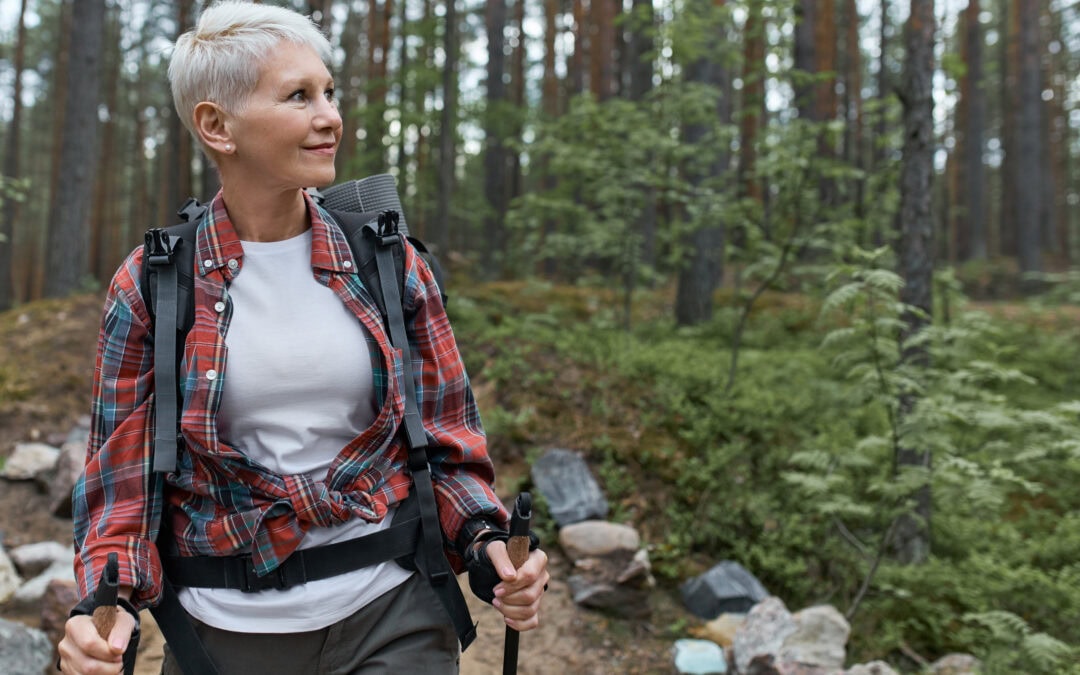
Self-confidence does not always return when treatment ends. It is common to experience insecurity, fear, or changes in self-esteem. With psychological support, time, and appropriate strategies, many people manage to rebuild a kinder relationship with themselves and recover their emotional well-being.
Overcoming cancer represents an enormous physical and emotional challenge. However, many women agree that true recovery begins when treatment ends. It is then that the constant check-ups disappear, people around you stop asking how you are, and a much more intimate question arises:
«And who am I now?»
Learn to self-love after beating cancer It is not about going back to being the person you used to be. It is about accepting that you have changed and discovering that you can also build a stronger, more conscious, and freer version of yourself.
Why is it hard to regain trust after an illness?
There is a notion that finishing treatment means «returning to normal.» The reality is often different.
After an illness like cancer, the following may appear:
- Physical changes that affect body image.
- Fear of a relapse.
- Sense of vulnerability.
- Anxiety about the future.
- Difficulties in recognizing one's own body.
- Physical fatigue that limits usual activities.
All of this can cause self-esteem to decline and make it difficult to trust oneself again. Psycho-oncology specialists remind us that these emotions are common and are part of the adaptation process, not a sign of weakness.
Self-esteem doesn't return on its own: it is also trained
Just as the body needs rehabilitation after certain treatments, self-esteem also needs care.
Allow yourself to not be okay all the time
Many survivors feel the pressure to constantly appear strong and grateful.
However, living with moments of sadness, uncertainty, or anger is completely compatible with having overcome the illness. Accepting all emotions reduces guilt and promotes a healthier emotional recovery.
Change the way you talk to yourself
The inner voice directly influences self-esteem. Instead of thinking:
- «I am no longer the person I used to be.»
- «My body will never be the same again.»
You can start replacing those thoughts with more realistic ones:
- «I have been through a very difficult time.»
- «My body has done an extraordinary job of keeping me alive.»
- «I am learning to know myself again.»
It's not about forced positive thinking, but about talking to yourself with the same compassion you would show a friend.
Reconnect with your body through respect
After cancer, it is common to feel a certain distance from one's own body. There may be scars, hormonal changes, loss of strength, or modifications in body image.
Regaining trust also involves feeling once again that this body continues to be your ally.
Movement helps, but without demands
Numerous studies show that adapted physical activity improves:
- Self-esteem.
- Anxiety.
- Cancer-related fatigue.
- The quality of life.
It is not necessary to start with big challenges. Walking, practicing yoga, riding a bicycle, or doing supervised exercise can become a way to regain trust in your abilities.
Surround yourself with people who understand your process
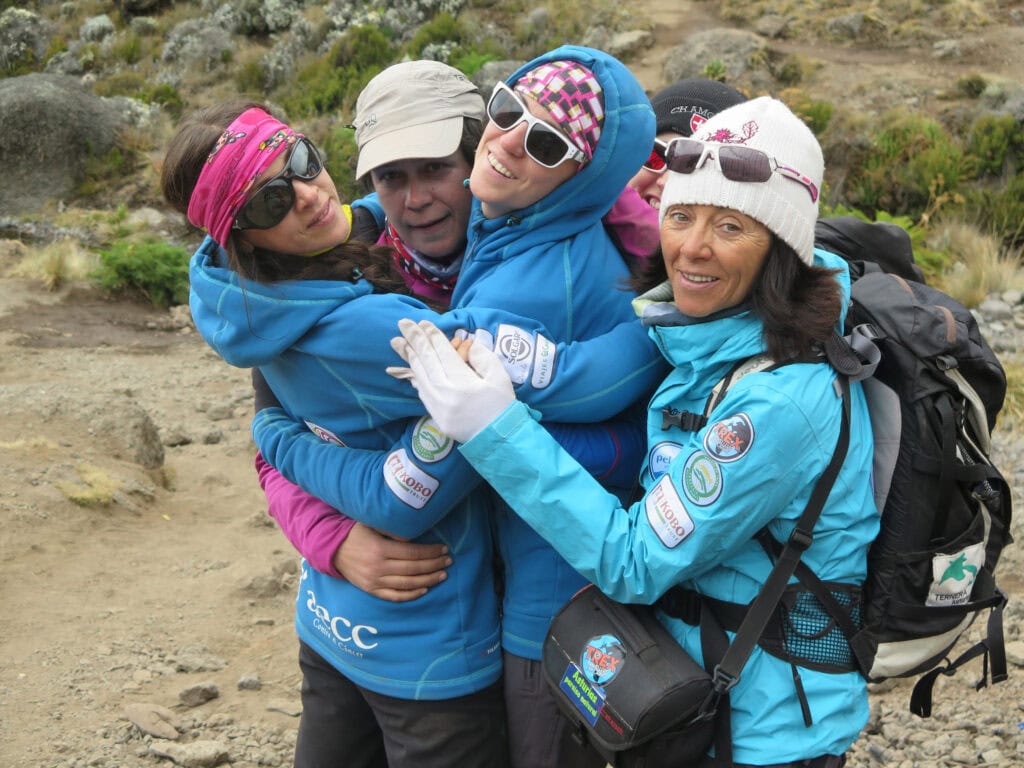
Not everyone understands what life is like after cancer. That is why many women find enormous support in sharing experiences with others who have lived through similar situations.
Feeling understood reduces isolation and helps normalize emotions that are often experienced in silence. Support groups, patient associations, and projects like the Pelayo Vida Challenge show that sharing the journey can become an extraordinary source of strength.
Stop comparing yourself to who you used to be
One of the biggest psychological traps consists of trying to recover the exact previous life, but the experience of an illness transforms priorities, relationships, and even the way of understanding happiness.
Instead of asking you:
«When will I be like I used to be?»
Perhaps it is more useful to ask you:
«Who do I want to be from now on?»
That shift in perspective makes it possible to build a self-esteem based on the present rather than on nostalgia.
Asking for help is also a way to take care of yourself
Seeking psychological support does not mean you are not strong. Psycho-oncology has proven to be an effective tool to help reduce anxiety, depression, fear of recurrence, and adaptation difficulties after cancer.
A professional can offer strategies tailored to each situation to restore personal confidence and improve the quality of life.
Asking for help is a courageous decision and, on many occasions, a fundamental step toward trusting oneself again.
Confidence also stems from living new experiences
Many women discover that regaining confidence does not depend solely on leaving the illness behind, but on doing things they never imagined possible again: traveling, playing sports, facing small challenges, or sharing experiences with other women allows them to discover capabilities that may have remained hidden.
Every new challenge recalls an important reality: cancer is part of the story, but it does not define the entire identity.
Frequently Asked Questions
Yes. The fear of relapse is one of the most frequent concerns among people who have beaten cancer. If it interferes with your daily life, it is advisable to consult a psycho-oncology professional.
Start by accepting that your process is unique. Practicing self-compassion, taking care of your physical health, surrounding yourself with supportive people, and allowing yourself to ask for help are important steps to rebuild self-esteem.
Yes. As long as it is adapted to your abilities and recommended by healthcare professionals, physical exercise can improve self-esteem, reduce anxiety, and promote emotional well-being.
Overcoming cancer is much more than finishing a treatment. It is learning to look forward with a new perspective and discovering that strength can also be built step by step. In Pelayo Vida Challenge, women who have gone through this experience find in sports, nature, and mutual support an opportunity to regain trust in themselves. If you want to know their real stories and see how a challenge can transform a life, visit our documentaries page: