

The ideal adventure sport depends on the topography, the weather, and your current physical condition: coastal and sea destinations invite navigation and kayaking; areas in the mid- or high-mountains require progressive hiking or gentle climbing; and cold environments require snowshoes or cross-country skiing.
Choosing the right adventure
When we plan a trip, we usually think about the monuments, the gastronomy, or the accommodation. However, the real journey begins when we interact with the natural environment through our bodies. Adventure sports are not synonymous with excessive risk or extreme efforts; they are, above all, a tool for immersing ourselves in nature, for gradual improvement, and for reconnecting with our inner selves.
For those who are regaining vitality, confidence, or muscle tone (for example, after undergoing cancer treatment), selecting the activity based on the terrain allows for enjoyment without frustration. Aligning what the landscape offers with our abilities is the key to transforming the getaway into a true personal milestone.
Which sport to choose based on the type of environment you visit
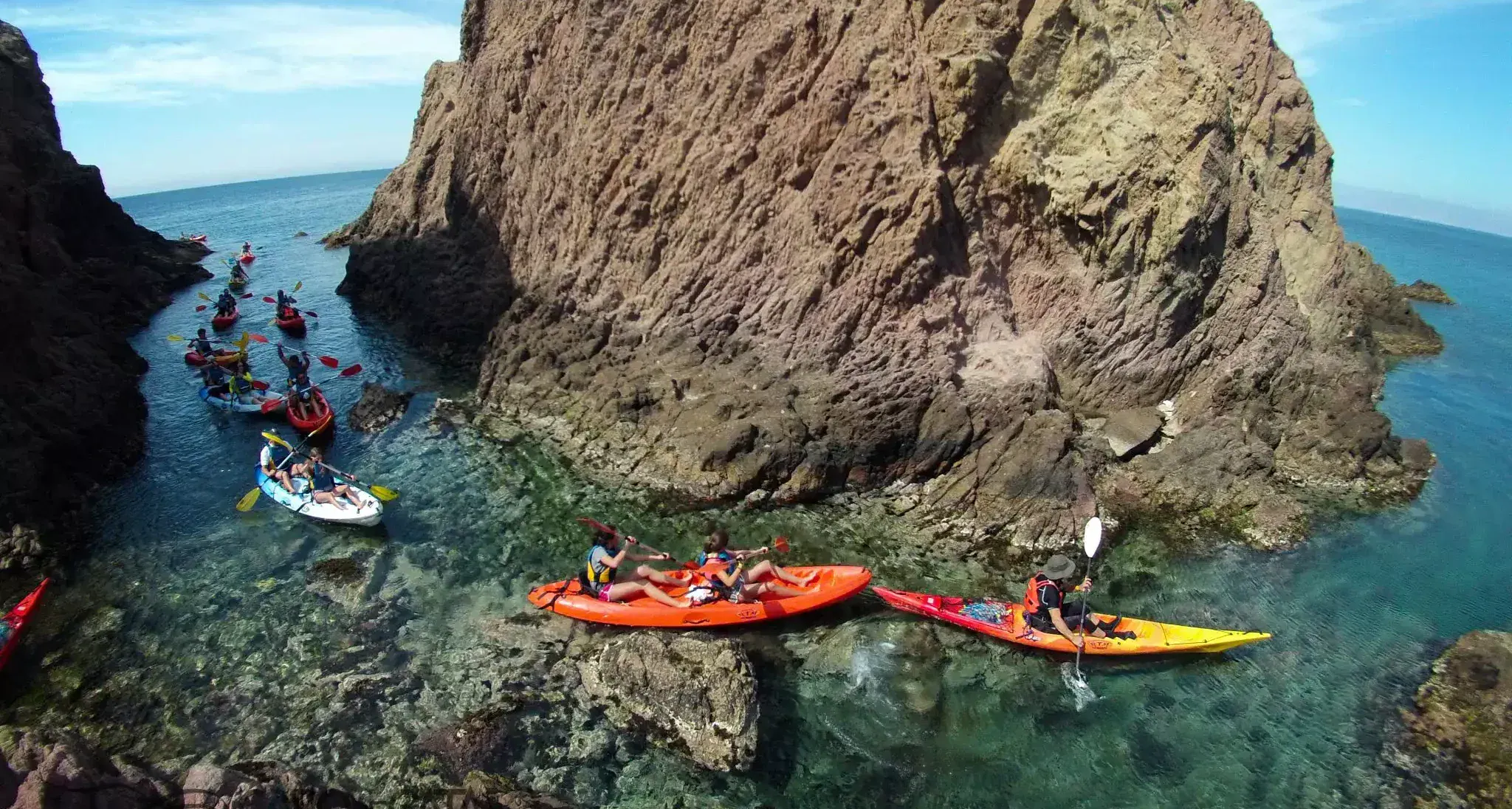
1. Coastal destinations, islands and lakes: Sea kayaking and sailing
If your next destination is located on rugged coastlines, protected coves or large inland bodies of water, the water offers unbeatable support for your joints. The cross-country kayak allows you to explore marine caves and cliffs that are inaccessible on foot, modulating the intensity of your stroke according to your fatigue.
For its part, sailing requires concentration, teamwork, and coordination, working the core strength in a functional way without impact on the knees or spine. Additionally, contact with the marine environment reduces cortisol levels and promotes deep mental disconnection.
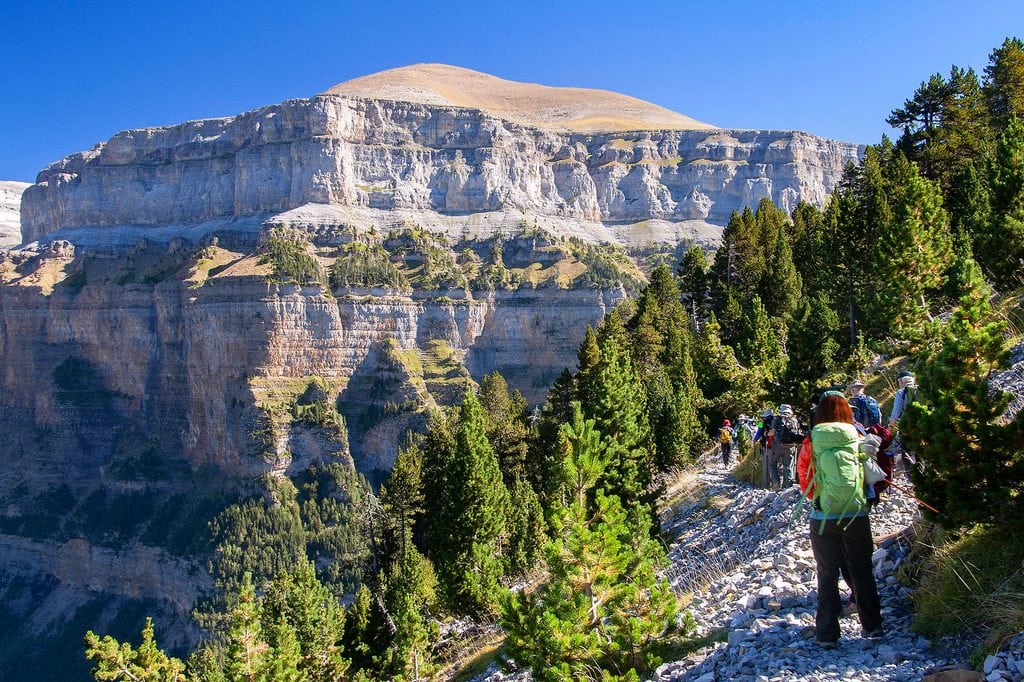
2. Mountains, valleys and plateaus: Technical hiking and adapted trekking
Against a mountainous landscape, trekking remains the queen of activities. You don't need to climb a three-thousand-meter peak to experience the mountains: hiking on well-marked, medium-distance trails activates the cardiovascular system, stimulates bone density, and improves balance.
If this environment appeals to you but you’re not sure where to start, you can check out our selection of The best hiking trails in Spain to reconnect with nature, where you’ll find balanced options with affordable elevation profiles to build confidence step by step.
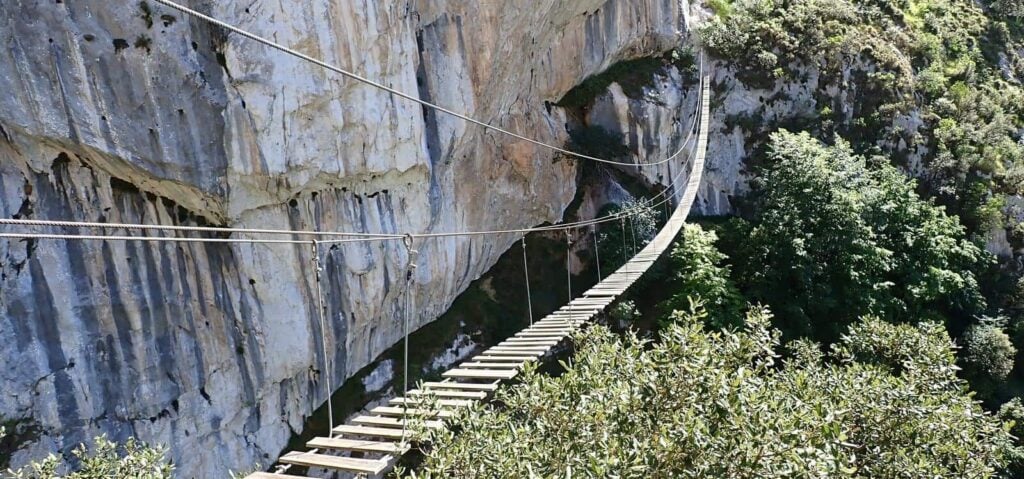
3. Canons and rock formations: Via ferrata initiation and gentle canyoning
The limestone landscapes, gorges and ravines are the perfect setting for K1 or K2 (beginner) level via ferratas. Equipped with steel steps and continuous lifeline cables, they allow you to experience verticality and height with an absolute sense of control and safety. They are ideal for working on upper body strength and overcoming mental barriers to fear of vertigo or physical insecurity.
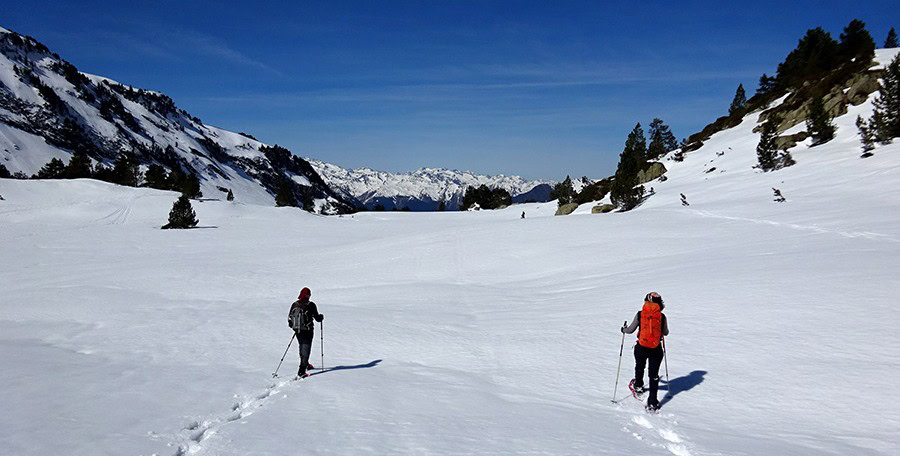
4. Winter and high mountain environments: Snowshoes
When the chosen destination wakes up covered in white, snowshoes open paths that would otherwise be blocked. Unlike alpine skiing, they do not require any previous complex technique or involve dangerous speeds. Walking with snowshoes distributes weight evenly over the flat ground, requiring constant aerobic work that oxygenates the lungs in a refreshing winter silence.
Planning, safety, and physical progression
No adventure is fully enjoyed if it is approached with improvisation or if we demand more from the body than it can handle. Both World Health Organization (WHO) As sports medicine guides emphasize, physical activity should always be increased gradually in volume and intensity.
Before embarking on a journey that involves sporting challenges, it is essential to prepare the logistics and equipment. If you are taking your first steps in personal expeditions, we recommend reviewing our guide to organizing an adventure trip, where we discuss how to manage the rhythms, the weight of the backpack and the weather adaptation.
Likewise, for women who resume physical activity after a cancer process, understanding the role of Sport in the recovery from breast cancer and bring down the False myths about sport and cancer It is crucial to progress with medical discretion, without fear and respecting the regeneration times of the body.
Every landscape is an opportunity to discover what you are capable of
In the Pelayo Vida Challenge We know that the greatest discovery isn’t always the destination itself, but the inner process that awakens when you get out there, reconnect with nature, and regain trust in your own body after a difficult stage. From navigating open waters to hiking through mountain ranges or polar landscapes, the stories of our expeditionaries show that every outdoor experience can be the starting point for a new stage. You can learn more about these experiences and their spirit of overcoming through our documentaries.
Because, in the end, any great journey begins simply by taking the first step.
Frequently Asked Questions
Hiking on marked trails in the middle of the mountains and recreational kayaking in calm waters are the most recommended options. They allow you to regulate your effort completely, do not require advanced technical skills, and facilitate direct contact with the landscape without unnecessary risks.
Yes, as long as you have the approval of your specialist team. The key is to start with gentle and adapted activities (such as hiking without steep slopes or coastal navigation), gradually progressing and prioritizing hydration, rest, and listening to your body.
Both factors are inseparable. The destination limits the natural options available (sea, rock or snow), but your current physical condition determines the level of difficulty, the duration, and the technical difficulty with which you must approach that activity to fully enjoy it.