
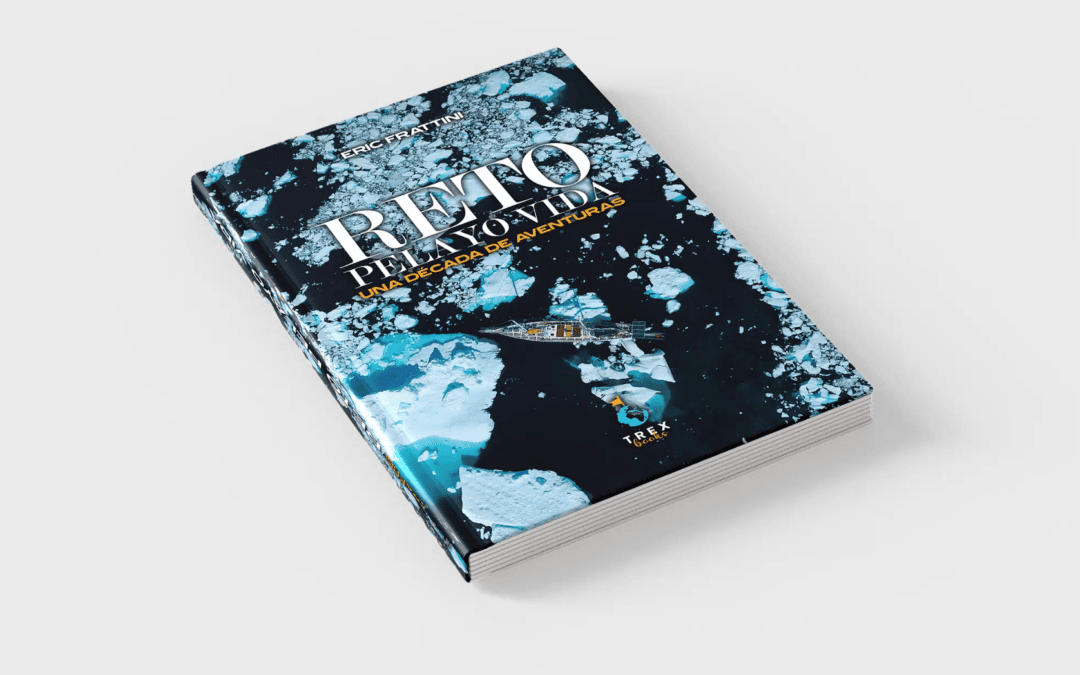
The Pelayo Life Challenge was born in 2015 thanks to an idea by journalist and writer Eric Frattini: to create an expedition to prove that, after overcoming cancer, it is also possible to take on extraordinary challenges. What began as a dream ended up becoming a project that, twelve editions later, continues to inspire thousands of women.
All great stories have an unexpected starting point. That of the Pelayo Vida Challenge did not begin on a mountain or during an expedition. It began with a loss and a conversation that changed the course of a project no one imagined.
In March 2015, Eric Frattini received the news of the passing of a friend of his due to stomach cancer. Just a few hours later, while watching TVE's Canal 24 Horas, he heard the testimony of a woman who had overcome breast cancer.
That interview deeply impressed him.
The female protagonist explained that, after finishing her treatment, her oncologist had recommended walking. At first she could barely take a few steps. Little by little she increased the distance, then she started running and ended up completing marathons and a 76-kilometer trail race in Kenya.
That story brought up a question that would end up changing everything:
What if a great adventure starring women who had overcome cancer were created?
It wasn't just about organizing an expedition. It was about proving that cancer doesn't define a person's future.
The inspiration behind the Reto Pelayo Vida
The idea had a very clear goal from the beginning. Eric Frattini wanted to bring together female cancer survivors capable of becoming role models for other patients. Women whose stories could transmit hope from real experience, far from theoretical discourses.
With that idea, he began to seek support.
One of the first steps was to contact the head of communications of the Spanish Association Against Cancer (AECC), who put him in touch with the association's president. Although the project seemed too ambitious and there was still no funding, both immediately understood the human value of the initiative and decided to support it from the very beginning.
That support was decisive in turning an idea into a viable project.
Find the first female expedition members
With the idea defined, one of the greatest challenges arrived: finding the women who wanted to be part of that first expedition.
The first to join was Rosa Fernandez, one of Spain's most renowned female mountaineers and a breast cancer survivor, who also collaborated with the AECC.
Her addition brought sporting credibility to the project. Shortly after, the other team members arrived:
- Carmen González-Meneses.
- Araceli Oubiña.
- Maria Barrabes.
- Eva García Romo.
Five women, very different from one another, but with something in common: they had overcome cancer and were ready to take on one of the greatest challenges of their lives.

Seeking funding: the hardest challenge
If getting the team together already seemed complicated, securing funding turned out to be even more complex.
For months, Eric Frattini knocked on numerous doors. Some companies showed interest, but the budget remained insufficient to organize an expedition of this nature.
Among the first supporters were companies like Solgar, the La Caixa Foundation« and Elizabeth Arden, but the main sponsor was still missing.
Then a call appeared that would change the history of the project. From Pelayo Vida, the general manager wanted to meet that initiative personally. After several meetings and after presenting the project to different managers of the company, the news everyone was waiting for arrived.
The Pelayo Group decided to officially support the expedition. From that moment on, that adventure came to be called Pelayo Vida Kilimanjaro Challenge 2015.
Much more than climbing a mountain
The goal was never to conquer Kilimanjaro. The mountain was just the setting. What was truly important was to send a message that still remains the heart of the Pelayo Life Challenge:
After cancer, there are also new beginnings.
On September 29, 2015, the five expedition members reached Uhuru Peak, the summit of Kilimanjaro. That embrace at the highest point in Africa symbolized much more than a sporting achievement. It represented the strength of thousands of women who had gone through cancer treatment and demonstrated that the illness did not have the final say.
From an idea to a movement that keeps growing
What began as a single expedition soon became a consolidated project.
Since that first edition, the Pelayo Life Challenge has traveled through some of the most spectacular settings on the planet: the Arctic, the Antarctica, the Andes, Jordan, Patagonia o Costa Rica, among other destinations.
Each year, five new female cancer survivors take part in an expedition designed to raise awareness about the importance of sports, personal growth, and cancer research. But the impact of the project goes far beyond each journey.
The documentaries, the personal stories and the testimony of all the female expedition members has managed to inspire thousands of patients and families, turning the Pelayo Life Challenge into an international benchmark of resilience and hope.
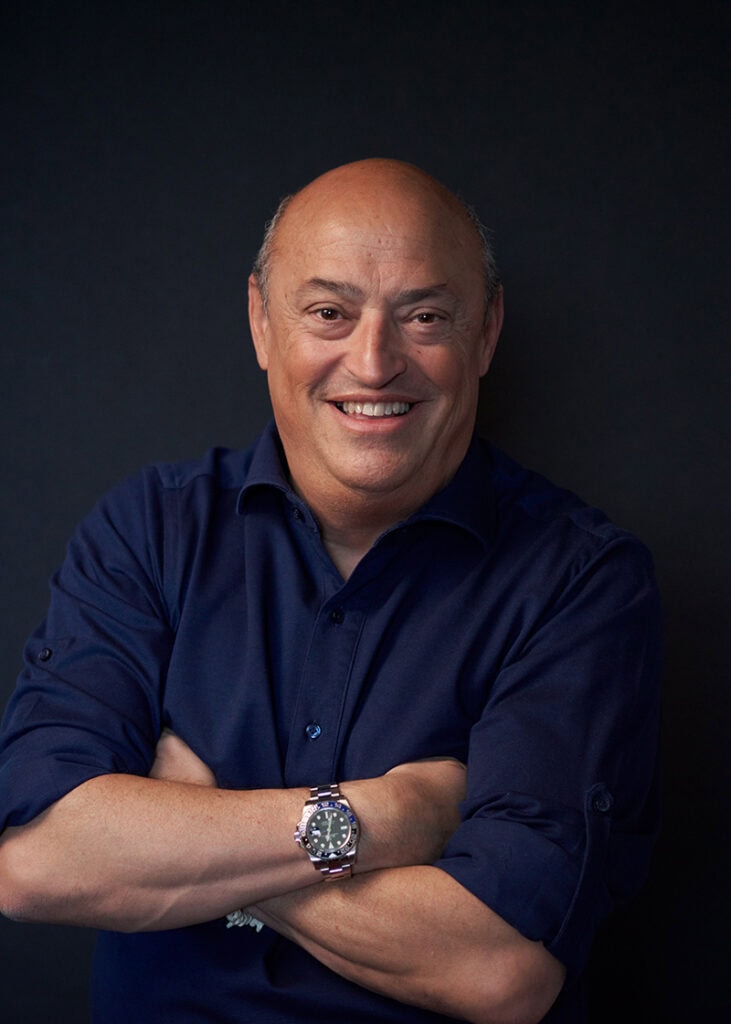
The Legacy of Eric Frattini
In his book Pelayo Vida Challenge: A decade of adventures, Eric Frattini explains that he never imagined how far that idea, born after hearing the testimony of a female cancer survivor, would go.
However, that intuition ended up giving rise to a project that has united sports, outreach, research, and visibility to demonstrate that cancer does not put an end to dreams.
Today, the Reto Pelayo Vida continues to grow with the same purpose with which it was born in 2015: to inspire other women to look forward and remind them that there is always a new peak to conquer.
Frequently Asked Questions
The Pelayo Life Challenge was created by the journalist and writer Eric Frattini, driven by the idea of proving that female cancer survivors can take on great athletic challenges.
The first edition took place in 2015 and led five female cancer survivors to the summit of the Kilimanjaro, the highest point in Africa.
You can discover the full history of each edition and watch their documentaries on the page of Documentaries of the Pelayo Life Challenge: www.retopelayovida.com/documentales.